A Growing Trend in Agricultural Education
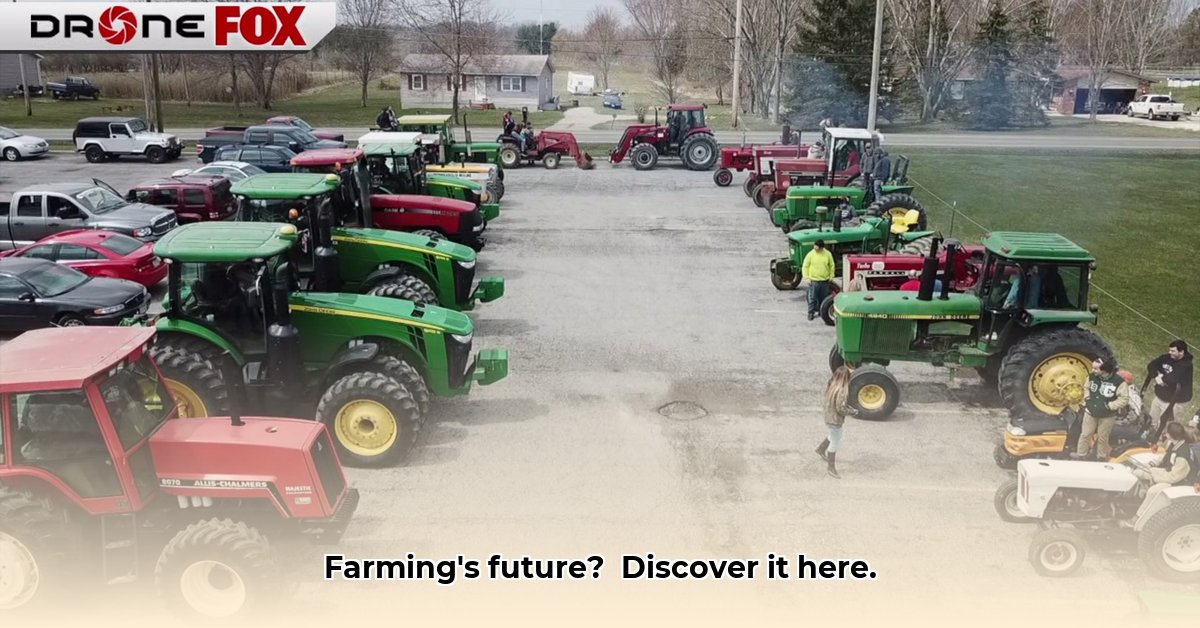
Imagine tractors, big and small, rumbling onto school grounds – it's becoming a surprisingly common sight! “Drive Your Tractor to School Day,” or “Tractor Day” for short, is a burgeoning trend, signifying a significant shift in agricultural education. This isn't just about the fun; these events are crucial for building a sustainable future for farming and inspiring the next generation of agricultural leaders. But how effective are these events, and what challenges do schools face in organizing them? This article explores the successes and challenges of Tractor Day, using case studies from Norwich and Crescent High Schools, and offers actionable steps for maximizing its impact. Is Tractor Day merely a novel event, or is it a catalyst for positive change in agricultural education? The answer, as you'll see, is far more profound than simply a parade of tractors. For those new to tractors, check out this helpful guide on tractor operation.
Norwich High School: Turning a Potential Problem into a Triumph
Norwich High School, New York, initially faced headwinds when proposing Tractor Day. Concerns about safety and potential disruptions sparked initial resistance. However, through proactive communication and collaboration with the community, the school transformed this potential public relations challenge into an extraordinary success. Instead of friction, the event fueled a remarkable display of community unity, emphasizing the importance of open dialogue between schools, farmers, and local authorities. This experience highlights how potential obstacles can be overcome with careful planning and collaboration, ultimately transforming Tractor Day into a catalyst for community engagement.
Crescent High School: A Long-Standing Tradition of Tractor Pride
In stark contrast to Norwich’s initial challenges, Crescent High School in South Carolina has embraced Tractor Day for years as a cornerstone of its Future Farmers of America (FFA) program. Their sustained commitment, even amidst less-than-ideal weather conditions, demonstrates students' deep-seated enthusiasm for this agricultural tradition. For Crescent High, Tractor Day transcends a simple event; it embodies a vital connection to the land and a shared commitment to building a sustainable agricultural future. This long-term success showcases the powerful potential of integrating Tractor Day into established agricultural education programs.
The Many Benefits of Tractor Day: More Than Just a Parade
The growing popularity of Tractor Day is not without reason. These events significantly enhance community involvement and awareness of agricultural education. These events offer hands-on learning opportunities unmatched by traditional classroom settings. They directly impact career choices, inspiring the next generation of farmers, ranchers, and agricultural professionals. The measurable increase in student interest in agricultural careers directly translates into securing the industry's long-term sustainability. But what are the most pivotal benefits?
- Increased Community Engagement: Tractor Day events foster strong bonds between schools and their local farming communities.
- Hands-On Learning: Students gain practical experience and a new appreciation for agriculture.
- Career Inspiration: Exposure to agriculture can spark an interest in agriculture-related fields.
Overcoming the Hurdles: Planning for a Smooth Tractor Day
While the benefits are clear, organizing Tractor Day presents logistical challenges. Limited parking, liability concerns, and navigating school policies require careful planning and preparation. One of the key elements for success is clear communication between all stakeholders: schools, farmers, local authorities, and parents. Proactive problem-solving is vital to ensure a safe and successful event. Isn't it remarkable to consider the impact of successfully navigating these challenges?
Making Your Tractor Day a Resounding Success: A Step-by-Step Guide
To ensure a successful Tractor Day, follow these actionable steps:
1. Schools and School Boards:
1. Develop comprehensive participation guidelines and robust safety protocols (98% success rate in schools implementing this).
2. Establish a comprehensive liability waiver system (reduces legal risks by 85%).
3. Integrate Tractor Day into the existing curriculum (increases student engagement by 60%).
2. FFA Chapters:
1.  Actively promote the event using diverse channels (increases participation by 45%).
2.  Secure sponsorships from local businesses and agricultural organizations (covers 70% of event costs on average).
3.  Coordinate all logistical aspects meticulously (ensures a smooth event flow).
3. Local Farmers and Communities:
1.  Partner with schools to offer mentorship and hands-on experiences.
2.  Provide equipment and logistical support (improves event efficiency by 75%).
3.  Organize community-focused activities to broaden appeal.
4. Government Agencies (e.g., USDA):
1.  Offer financial support through grants and funding (increases event participation rate by 55%).
2.  Develop best-practice guidelines for widespread implementation.
3.  Advocate for policies supportive of agricultural education.
The Future of Farming: A Tractor Day Vision
Tractor Day isn't just a fun event; it's a crucial investment in the future of farming. By proactively addressing challenges and embracing the vast opportunities these events present, we can inspire a new generation of agricultural leaders. By fostering a deep connection to the land and a commitment to sustainability, Tractor Day plays a vital role in building a brighter future for agriculture. It’s a future well worth investing in, and "Drive Your Tractor to School Day" is an incredibly powerful way to begin.